Classification is the process of assigning a commodity code to a product for customs purposes. Commodity codes, also known as CN, HS, or tariff codes, are used globally to categorise goods for trade. These codes are typically ten digits in length, although they can vary between regions. For example, the same product may have different commodity codes in the UK, EU and US. This highlights the importance of accurate classification, as it is easy to apply an incorrect code when trading across multiple jurisdictions.
A commodity code determines several key aspects of customs treatment, including the rate of duty and import VAT, the applicable origin rules and whether any restrictions, licences or trade measures apply. Accurate classification is therefore essential for all businesses, and responsibility for getting it right sits with the importer, not with customers or suppliers. Having a clear process and understanding of classification is a critical part of any compliance framework. Businesses should ensure that classification is regularly reviewed and embedded within their internal processes to maintain accuracy and consistency.
BKR is highly experienced in the classification of goods. We work with hundreds of clients to support their classification requirements, ranging from full commodity code reviews across entire product ranges to day to day support where a specific code is required for an individual product.
Our team of specialists reviews all relevant technical information and applies practical industry experience to ensure products are classified accurately and efficiently. We cover all areas of the customs tariff and provide classification support across multiple jurisdictions, including the UK, EU and US. We can also assist with obtaining formal rulings or challenging those issued by HMRC in relation to classification. This may be required where HMRC is questioning a classification or raising an assessment, or where your business wishes to obtain certainty for key products through a binding decision.
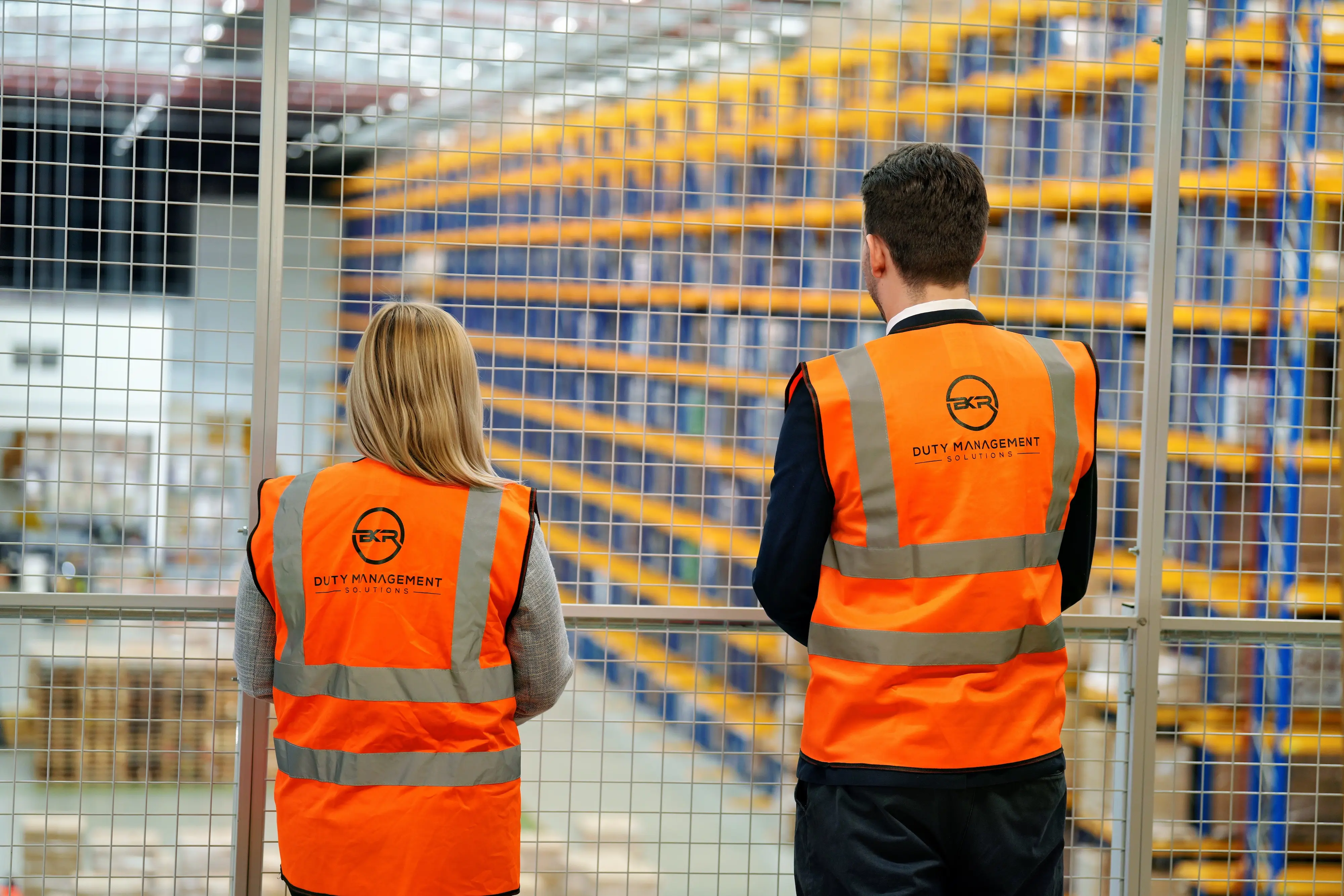
We deliver practical, results-driven solutions designed to reduce costs, improve efficiency, and strengthen your overall approach to international trade.
.png)

Ad hoc classification
In many cases, businesses require classification support for a single product or a small range of goods to ensure accuracy and determine the correct treatment for duty, origin and licensing purposes.
BKR will provide a detailed report setting out the appropriate classification, the reasoning behind it and the associated duty rate. This can be used as part of your compliance framework to demonstrate that a considered and robust assessment has been undertaken.
Reclassification Services
Many businesses manage large product ranges, each requiring an accurate commodity code. In practice, these codes are not always reviewed or maintained, and errors are common.
BKR can carry out a detailed analysis of your customs data to identify potentially incorrect or misapplied classifications, including cases where duties may have been overpaid. We have helped clients recover significant amounts of duty through reclassification and can take a structured, risk based approach to reviewing and updating your product classifications.
.png)
.png)
Advance Tariff Rulings
Advance Tariff Rulings, also known as Binding Tariff Information (EU) or CROSS (USA) rulings, are formal decisions issued by customs authorities that provide legally binding confirmation of a product’s classification.
BKR can support your business in preparing and submitting these applications, ensuring that the technical evidence and supporting information are robust. Where appropriate, we can also help present a position that aligns with your commercial objectives while remaining compliant with the relevant legislation.
Speak With An Advisor
Let us know a little bit about how we can help and one of our customs experts will be in touch to arrange a consultation at the next mutually convenient date.
Schedule a free 30-minute consultation with one of our Advisors
Toby Spink
Director
Elizabeth Weldon
Head of Operations
Georgina Halls
Head of Advisory
Let us know a little bit about how we can help and one of our customs experts will be in touch to arrange a consultation at the next mutually convenient date.
Contact us using the details below, or simply fill out the contact form:


.webp)
